
Why choose a split system?
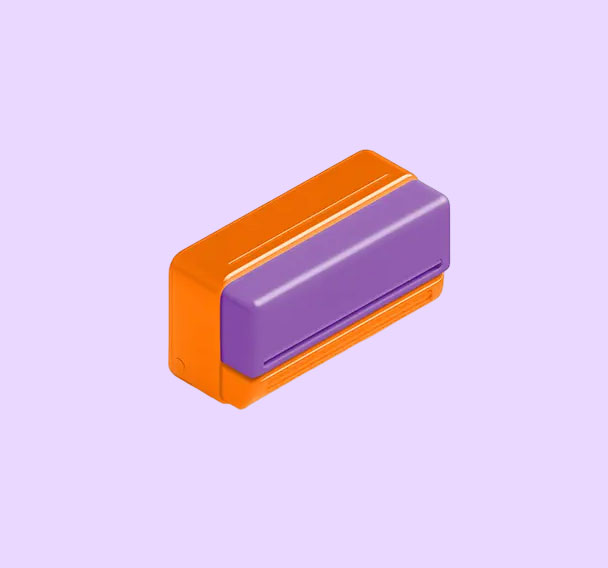
Modern reverse cycle heating and cooling systems transfer heat rather than generating it, using heat pump technology.
This means they’re super-efficient heaters, and can produce up to five times the energy they use. Consumer advocacy group CHOICE says they’re one of the cheapest ways to heat your home in winter.
Home owners and rental property owners may be eligible for generous discounts on the upfront costs of reverse cycle heating and cooling systems, under the Victorian Energy Upgrades program.
Get crisp air conditioning in summer and cosy warmth in winter. Simply press a button to switch modes.
Reverse cycle heating and cooling systems generate the lowest greenhouse emissions for home heating. And if you have solar at home, you could achieve almost zero emissions in your energy use.
Top tips for reverse cycle heating and cooling
Types of reverse cycle (or split) heating and cooling systems
Reverse cycle heating and cooling systems come in different shapes and sizes, making them flexible for room-by-room or whole-of-home heating and cooling.
Get a single-split system for a room or a multi-split system for two or more rooms. There are also ducted systems for heating and cooling the whole house.
Choose from single-split, multi-split or ducted
Choosing the right type and size of system to heat and cool your home is an important decision to make, so start by talking to an installer.
If you don’t have someone in mind, get in touch with an SEC-endorsed installer near you. They’ll help you decide on the right solution for your home and budget.
Set your temperatures for efficiency
- heating 18-20°C
- cooling 25-27°C
Each degree of heating in winter or cooling in summer increases energy consumption by up to 10%.
Disconnecting your old gas heater
If you’re replacing gas heating, you’ll need a licensed plumber to disconnect it. When you choose an SEC-endorsed installer, they’ll do the electrical work and explain the changeover steps. In most cases, they’ll arrange the plumber.
Frequently asked questions
Heat pumps efficiently extract heat from surrounding air to create heat – even on cold days. Refrigerators and heat pump hot water systems also use heat pump technology.
A split system is made up of an indoor unit (the heater/cooler) and an outdoor unit (the compressor). Together, they transfer heat in and out of the home.
- In cooling mode, heat is drawn from inside then released outdoors.
- In heating mode, heat is drawn from outside then released indoors – even when it’s cold outside.
The Victorian Energy Upgrades program offers heating and cooling discounts to eligible customers. An SEC-endorsed installer can quote on the type of system that could suit your home and include the estimated rebate you could be eligible for.
And if you’re renting, talk to the property owner – they could be eligible for the discount too.
Visit our Help centre for more on reverse cycle heating and cooling system rebates.
The trick to having comfortable heating and cooling is to choose the right-sized unit and solution for your space.
You can ask for an obligation-free quote from an SEC-endorsed installer via Easy Electric SEC. During this process, they can help you decide on a reverse cycle heating and cooling system that suits your budget and household’s needs.
If your heating or cooling stops working at home, that’s the perfect time to have a chat with your rental property owner about installing a split system. The property owner may be eligible for government discounts through the Victorian Energy Upgrades program.
It’s also worth keeping an eye on the Victorian government’s New electrification and efficiency standards and regulations for Victorian buildings, designed to help all Victorians reduce energy bills and emissions.
A meter and power-phase change are unlikely, and if there’s a space in your switchboard for the circuit, then it’s just a configuration change.
You may need a switchboard upgrade and possibly a mains change if you’re installing high-energy use items like ducted electric heating and cooling or multi-head heating and cooling systems.
Any change depends on your current electric set-up at home, what you’re planning to install and how many products and appliances you need to run at the same time. An SEC-endorsed installer can confirm what has to happen in your home and give you an obligation-free quote.
You’ll find more info in our What might change when you electrify your home article.

