
Top tips
When the temperature drops, it’s natural to reach for the heater – but staying warm doesn’t have to mean higher energy bills. With a few smart changes (many of them low-cost or DIY), you can stay cosy and keep your costs under control. Here are some simple ways to stay warm using less energy this winter:
- Know which appliances use the most energy and focus on changes to reduce winter energy use.
- If your heating breaks or needs upgrading, choose energy-efficient heating – especially if you have solar.
- Use appliances efficiently to avoid wasting energy.
- Stop cold draughts with door snakes.
- Make small everyday changes to lower your energy use without sacrificing comfort.
Know where your energy goes
Why this matters. Heating and cooling account for around 40% of a typical household’s energy use – so, it’s a good place to start looking for adjustments that may translate to energy bill savings. A few smart changes could go a long way.
Heat smarter for energy savings
Warm the family this winter, not the whole house.
Small adjustments can make a big difference to your energy bills:
- Set your heater to 18–20°C – each degree higher can increase energy use by up to 10%.
- Heat only the rooms you’re using.
- Use zoning controls to focus warmth where you need it.
- Layer up with warm clothing to stay comfortable without turning the heater up.
- If you have solar:
- run larger devices during the day – like your dishwasher and washing machine
- heat your home when the sun is shining. Your home and furniture can soak up heat and release it slowly when the temperature cools.
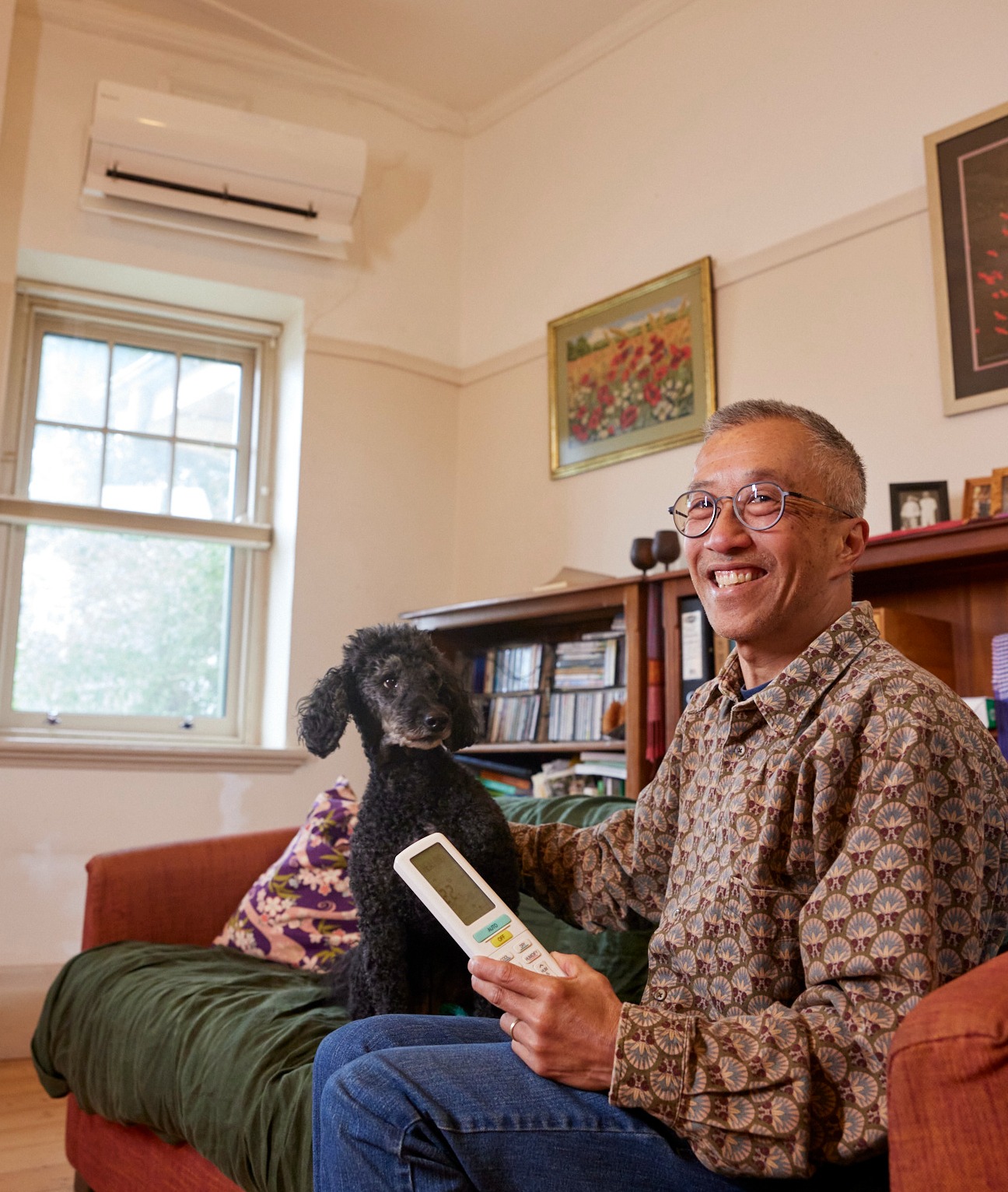
If you’re upgrading your heating, switch to reverse cycle heating and cooling. Consumer advocacy group CHOICE says they’re one of the cheapest ways to heat your home in winter.
Find out more about reverse cycle heating and cooling on our Heating and cooling product page. You could also be eligible for heating and cooling discounts under the Victorian Energy Upgrades Program.
Keep warmth in (and cold air out)
Even the most efficient heater won’t help if warm air is escaping. The good news is that many of these ideas are simple and low-cost.
- Close curtains and blinds at night to trap heat.
- Use thicker curtains or add a temporary layer (like a throw hanging over your curtain rods) for extra insulation.
- Close doors to unused rooms.
- Seal gaps around windows, doors and vents.
- Add weather stripping or draught proofing.
- Double-glaze windows where you can (a longer term fix, we know – but they retain up to 30% more heat than single-glazed windows.)
- Improve ceiling insulation (another longer-term fix).
The Victorian Energy Upgrades Program offers discounts to Victorians for energy-efficiency improvements. See the following pages on the VEU website to find out if you’re eligible:
- Weather sealing discounts – for windows, doors, chimneys and vents
- Window glazing discounts
- Insulation discounts.
Small everyday changes, big impacts
Everyday appliances can quietly add to your energy costs, especially in winter when usage often increases. Here are a few changes you could make.
- Use energy-efficient, split systems instead of less efficient options where possible.
- Turn heaters off when no one’s home or overnight.
- If you’re on a time of use tariff, shift usage to cheaper times.
Other low-cost ways to be warm
You don’t need to spend big to feel warmer at home.
These low-cost items can make a noticeable difference:
- Stay warm with a heated throw or electric blanket. They use significantly less energy than other heating appliances and keep you warm where it matters.
- Use draught-stopping, door snakes to keep cold air out.
- Grab a throw rug or blanket to stay warm without turning up the heater.
- Put on thick socks and slippers to help your whole body feel warmer.
Resources
Quick wins to save energy (DCCEEW)
Top 10 energy saving tips (DEECA)