Driven by change: How one EV purchase sparked an electric home
26 May 2026
For Michael Cleef, the journey to electrification didn’t start with the house — it started with the car.
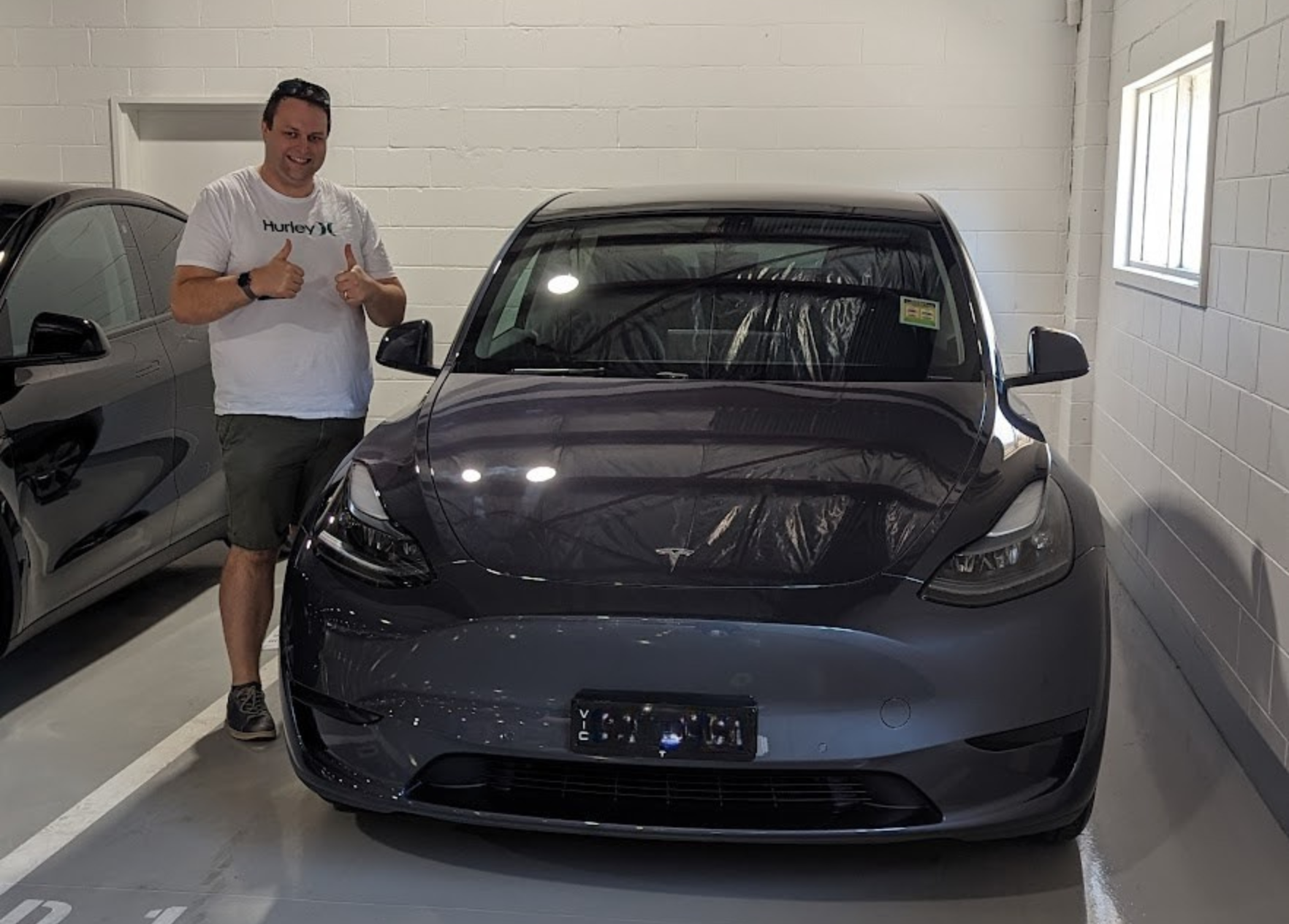
“The main driving factor was our decision to purchase a new car. When researching our next vehicle, we ultimately decided to go electric. Fuel prices were going up, so it made financial sense, said Michael.
That decision quickly snowballed into something bigger.
“As soon as we paid the car deposit, I started the process of electrifying our home,” said Michael.
The home, which Michael shares with his wife, already had some strong foundations in place. Built in 2018, it included solar hot water and induction cooking, alongside a mix of gas and electric heating and cooling. From there, the first major step was installing rooftop solar and a home battery, helping set the home up to generate and store its own energy.
Rather than doing everything at once, the transition happened gradually. Cost was one factor, but just as important was making sure the home was ready to support charging an electric vehicle using its own generated and stored solar power. Over time, the Cleef household added a heat pump hot water system and an EV charger, creating a largely electric home powered by solar and battery storage. Their next step – electrifying their heating and cooling - is already in sight.
Electrification has also changed how they use energy day-to-day. The household is more conscious of when high-demand appliances run, shifting use to align with solar generation. The heat pump operates during the day when the sun is out, while the battery is set to discharge in the evening when grid electricity is most expensive. While work schedules mean the car is often charged overnight, they take every opportunity to plug in during the day to make the most of their own solar. The benefits have been both financial and practical.
“Gas and electricity bills are down. Our most recent electricity bill was about $90 — and that includes all our driving, hot water and cooking for a month,” said Michael.
Performance has improved too, with the induction cooktop boiling water faster than gas and making everyday cooking quicker and easier. The heat pump hot water system has also proven reliable, consistently meeting household demand.
One of the biggest advantages has been peace of mind. With battery backup in place, the home can stay powered during grid outages — a feature Michael describes as the biggest comfort benefit of all.
The process hasn’t been without its challenges. With so many products on the market, each offering different features, navigating the options can feel overwhelming. Understanding how systems work together and which are best suited to a particular home takes time and careful consideration.
For others considering electrification, Michael said the advice is clear: work with a reputable installer who understands both the products and how to install them properly.
“The small details matter, and getting them right can make a significant difference to how well a home energy system performs over time,” said Michael.